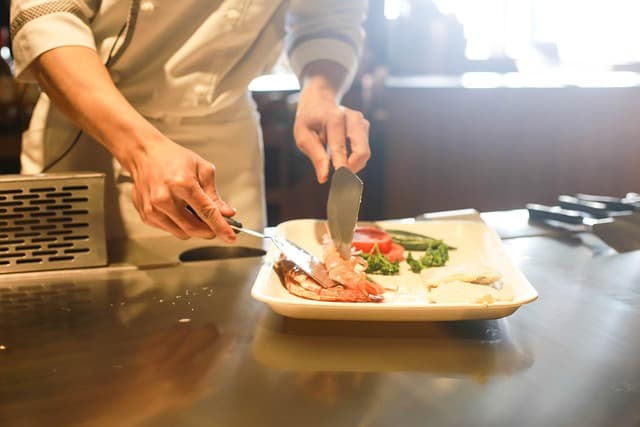
The digital revolution has transformed culinary education, making it more accessible than ever before. Students worldwide can now pursue their passion for cooking without relocating or leaving their current jobs. Much like professionals who work for an online casino abroad and enjoy location flexibility, culinary students can access world-class instruction from anywhere with an internet connection. This democratization of culinary arts education has opened doors for aspiring chefs, home cooks, and food enthusiasts who previously faced geographical or financial barriers to traditional culinary schools.
Understanding Online Culinary Education Options
Virtual culinary education comes in various formats designed to accommodate different learning styles and career goals. Certificate programs typically focus on specific skills or cuisines, ranging from pastry arts to international cooking techniques. These shorter courses allow students to quickly gain expertise in particular areas without committing to lengthy degree programs. Many certificate courses run between eight weeks and six months, providing concentrated learning experiences that fit around existing schedules.

Diploma and degree programs offer more comprehensive training for those seeking professional careers in the culinary industry. Associate degrees in culinary arts usually require 18 to 24 months of study and cover fundamental cooking techniques, food safety, nutrition, kitchen management, and menu planning. Bachelor’s degree programs extend this foundation with business management courses, hospitality industry practices, and advanced culinary theory. These programs prepare graduates for leadership positions in restaurants, hotels, catering companies, and food service organizations.
Individual courses provide flexibility for hobbyists or professionals looking to expand their skill sets. Students can enroll in single classes covering topics like knife skills, bread baking, sauce preparation, or plant-based cooking. This modular approach allows learners to customize their education based on personal interests and professional development needs. Many platforms offer both live interactive sessions and self-paced recorded lessons, accommodating various schedules and learning preferences.
Key Components of Quality Online Culinary Programs
Successful online culinary education requires more than just watching cooking demonstrations. Reputable programs provide comprehensive curricula that balance theoretical knowledge with practical application. Students receive detailed recipes, ingredient lists, and equipment recommendations before each lesson. Instructors typically conduct live sessions where they demonstrate techniques in real time, answer questions, and provide immediate feedback on student work submitted through photos or videos.
Interactive elements distinguish excellent programs from mediocre ones. Virtual classrooms facilitate peer interaction through discussion forums, group projects, and collaborative cooking challenges. Some schools ship ingredient kits or specialty tools directly to students, ensuring everyone has access to necessary materials. Assessment methods include practical cooking assignments, written exams on food safety and nutrition, and portfolio development showcasing culinary creations.
Accreditation matters significantly when choosing an online culinary program, especially for those pursuing professional careers. Programs accredited by recognized bodies like the American Culinary Federation Education Foundation or regional accrediting agencies meet established quality standards. Accredited programs often facilitate credit transfers to other institutions and may be required for certain professional certifications. Employers typically value credentials from accredited institutions more highly than unaccredited alternatives.
Career Opportunities and Professional Development
Graduates of online culinary programs pursue diverse career paths throughout the food industry. Restaurant positions range from line cooks and sous chefs to executive chefs and restaurant managers. Private chef services for families, celebrities, or corporate clients offer entrepreneurial opportunities with flexible schedules. Food styling for photography, recipe development for publications, and culinary instruction represent creative career alternatives.

The hospitality sector provides numerous opportunities in hotels, resorts, cruise ships, and conference centers. Catering businesses need skilled culinary professionals who can manage large-scale events and customize menus for various occasions. Food product development for manufacturers, quality control testing, and food safety consulting represent less traditional but equally rewarding career paths. Many graduates leverage their training to launch food blogs, YouTube channels, or cooking class businesses.
The healthcare and institutional food service sectors increasingly seek culinary-trained professionals who understand nutrition and dietary restrictions. Hospitals, nursing homes, schools, and corporate cafeterias require chefs who can create appealing, nutritious meals within budget constraints. These positions often provide stable employment with regular hours, appealing to those seeking work-life balance. Culinary graduates with nutrition knowledge can also pursue careers as wellness coaches or personal meal planners, helping clients achieve health goals through customized eating plans.
Entrepreneurial ventures in the food industry continue expanding with technology and changing consumer preferences. Food truck operations, meal prep services, pop-up restaurants, and specialty food product lines offer creative business opportunities. Many culinary professionals build successful brands through social media presence, monetizing content through sponsorships, advertising, and product collaborations. The farm-to-table movement has created demand for chefs who work directly with local farmers and suppliers, developing seasonal menus that highlight regional ingredients.
Continuing education remains essential in the constantly evolving culinary world. Online platforms make professional development convenient and affordable. Chefs can learn emerging techniques, explore trending ingredients, or master new cuisines without leaving their current positions. Specialized certifications in areas like food safety management, wine pairing, or sustainable cooking practices enhance professional credentials and marketability. This ongoing learning culture helps culinary professionals remain competitive and inspired throughout their careers. Whether pursuing formal credentials or personal enrichment, online culinary education offers pathways for anyone passionate about food and cooking to develop their skills and achieve their goals.